Introduction: The Changing Face of Casino Design
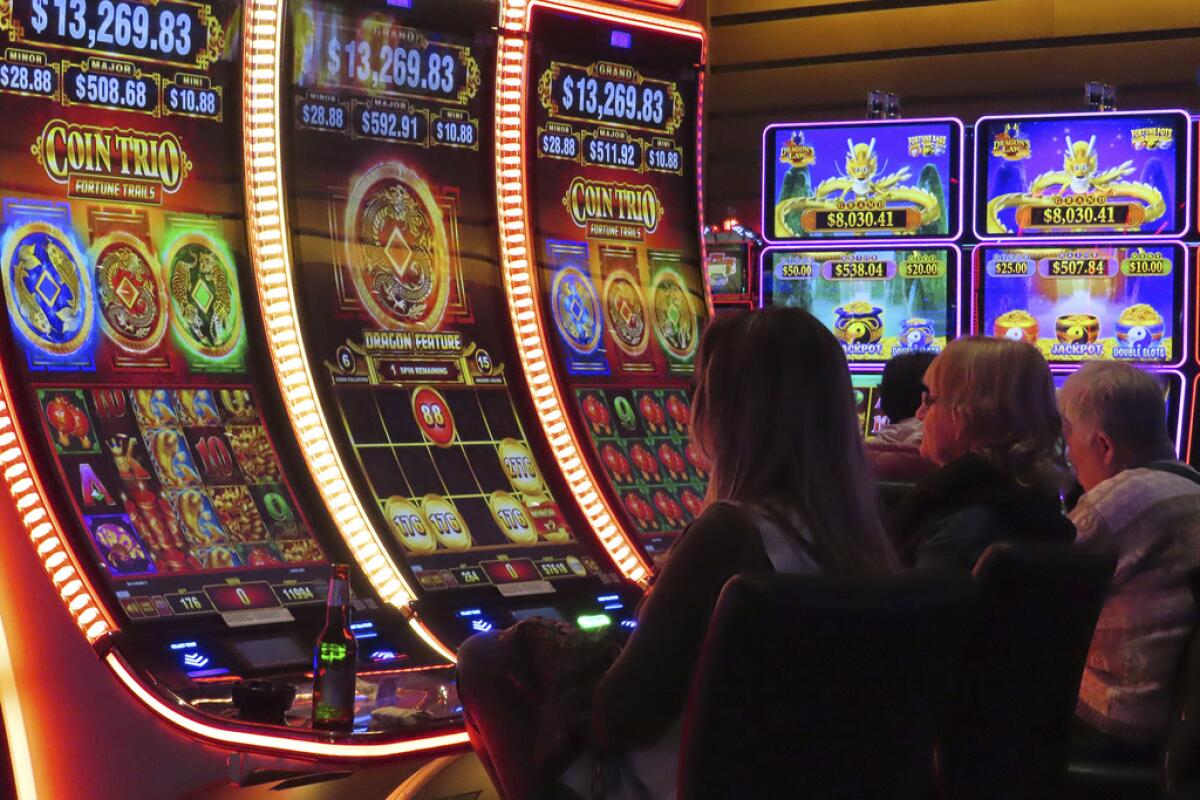
It is hard not to notice how casinos have evolved over time. What once used to be dimly lit halls filled with rows of machines now feels more like stepping into a piece of art, digital or otherwise. Whether it’s a sleek online layout or a futuristic real-world resort, the philosophy has shifted: casinos are now built around immersion, storytelling, and emotion. Even online, it is about capturing that perfect balance between excitement and relaxation.
I remember logging into a platform offering live Adventures Beyond Wonderland and realizing just how far interactive casino design has come. The playful visuals, the almost theatrical hosts, and the gentle rhythm of winning made me feel part of something more than a game. It was a kind of show, a blend of play and imagination that traditional casinos have been chasing for decades.
Architecture and Digital Design for Immersive Play
Real-world casino architecture is often meant to draw players into a loop, guiding them through corridors of light, sound, and anticipation. Online environments mimic that sense of progression but add freedom and personalization. There is no single formula. Some platforms aim for hyper-realistic 3D lobbies; others focus on soft color palettes and simple navigation.

The secret, perhaps, lies in subtle cues. Little animations when a slot stops spinning, soft background music that changes tempo as a jackpot builds, or lighting that shifts with your activity.
There is also a growing focus on user interface performance. Lag or confusion kills immersion faster than anything else. Game developers have realized that consistent frame rates and clearly visible betting windows make players feel respected and in control. Oddly, simplicity feels luxurious when surrounded by digital noise.
- Instant loading pages that save players’ time.
- Color dynamics tuned to specific moods, such as blue for calm and gold for anticipation.
- Sound environments that adapt to a user’s session length.
All these small parts create an experience that feels both dynamic and strangely personal.
Bonuses and Rewards as Engagement Tools
Bonuses may seem like a marketing gimmick, but in immersive design they play a deeper role. They act as micro-narratives, a push for continuity that keeps people connected. The promise of a free spin or deposit match feels small, yet it shapes behavior through hope and rhythm.
I have noticed that players tend to form patterns around bonuses. Some wait for weekends, others jump in right after payday, and a few explore new slot themes only when a bonus invites them.
Here’s what makes bonus systems particularly engaging:
- Dynamic bonus triggers that respond to how you play rather than what you spend.
- Points and loyalty tiers that unlock mini adventures or arcade-like tasks.
- Seasonal themes connecting promotions with popular culture, movies, or global events.
- Social elements letting players compare progress or challenge friends for extra rewards.
The complexity of bonus design mirrors the psychology of progression itself. People don’t want constant big wins; they want the sense that something is always slightly out of reach yet attainable through persistence.
Player Experience and Emotional Connection
A casino, whether digital or physical, is not just a venue for playing; it’s a space for emotions to interact. A rush of euphoria, brief losses, sudden recoveries, and the continuing dance of risk and reward all form part of the story.

When developers or architects design an environment where this emotional cycle feels supported, players tend to stay longer. It becomes a personalized journey instead of a numbers game.
Two subtle but powerful elements define emotional design in casinos:
- Responsive attention: servers or chat hosts responding fast, interfaces adapting to user behavior.
- Themes and narratives that invite empathy: a slot that tells a whimsical story or a live game with relatable personalities.
Interestingly, immersion does not mean excess. Sometimes, cutting back on stimulus can deepen focus. I’ve found that minimalist layouts with just a hint of animation keep players calmer and, paradoxically, more engaged.
- Gentle pacing is often more rewarding than constant noise.
- Atmospheric visuals, not just bright ones, build longer sessions.
- Empathy-based interactivity feels more human and less commercial.
Payments, Technology and Trustworthiness
Modern immersion depends heavily on seamless transactions. No one wants to break their engagement to deal with complicated payment steps or uncertain verification. Casinos know this very well. The introduction of one-click deposits, digital wallets, and transparent balance trackers has completely changed the energy of play.
I once tested an online casino that displayed pending withdrawals with a soft transparent overlay rather than redirecting to another page. It felt oddly respectful—as if the system recognized your time was part of the fun.
Many platforms are also exploring blockchain-based wallets and third-party audits to prove fairness. Again, it’s about trust through design rather than dry policy. Players can feel when a system is honest. Transparency becomes part of the immersion itself.
And it’s not just about speed; security cues like visible SSL badges or responsible gaming reminders are part of emotional reassurance. Casinos that manage this well subtly calm the mind, keeping players engaged in enjoyment rather than concern.
The Future of Immersive Casino Play
Looking ahead, immersive casino design may merge with augmented and virtual reality more fluidly. But it’s unlikely to replace the human touch. Even in a VR room filled with holographic dealers, players will still crave authenticity—a real voice, a glance, or the honest small-talk that grounds the experience.

We can probably expect deeper forms of personalization. An algorithm tracking your playing habits might recommend not only slot themes but also rest intervals and self-care moments. That sort of empathy-driven technology can redefine enjoyment into something sustainable rather than addictive.
Maybe immersive casinos of the near future won’t just aim to keep players inside but will teach them healthy patterns, celebrating both time in and time off. Paradoxical, perhaps, but truth often is.
Immersive play, in the end, is about depth, not duration. The finest casinos, whether physical or digital, seem to understand that their real goal is to make you feel alive, not simply entertained.